WHO WE ARE:
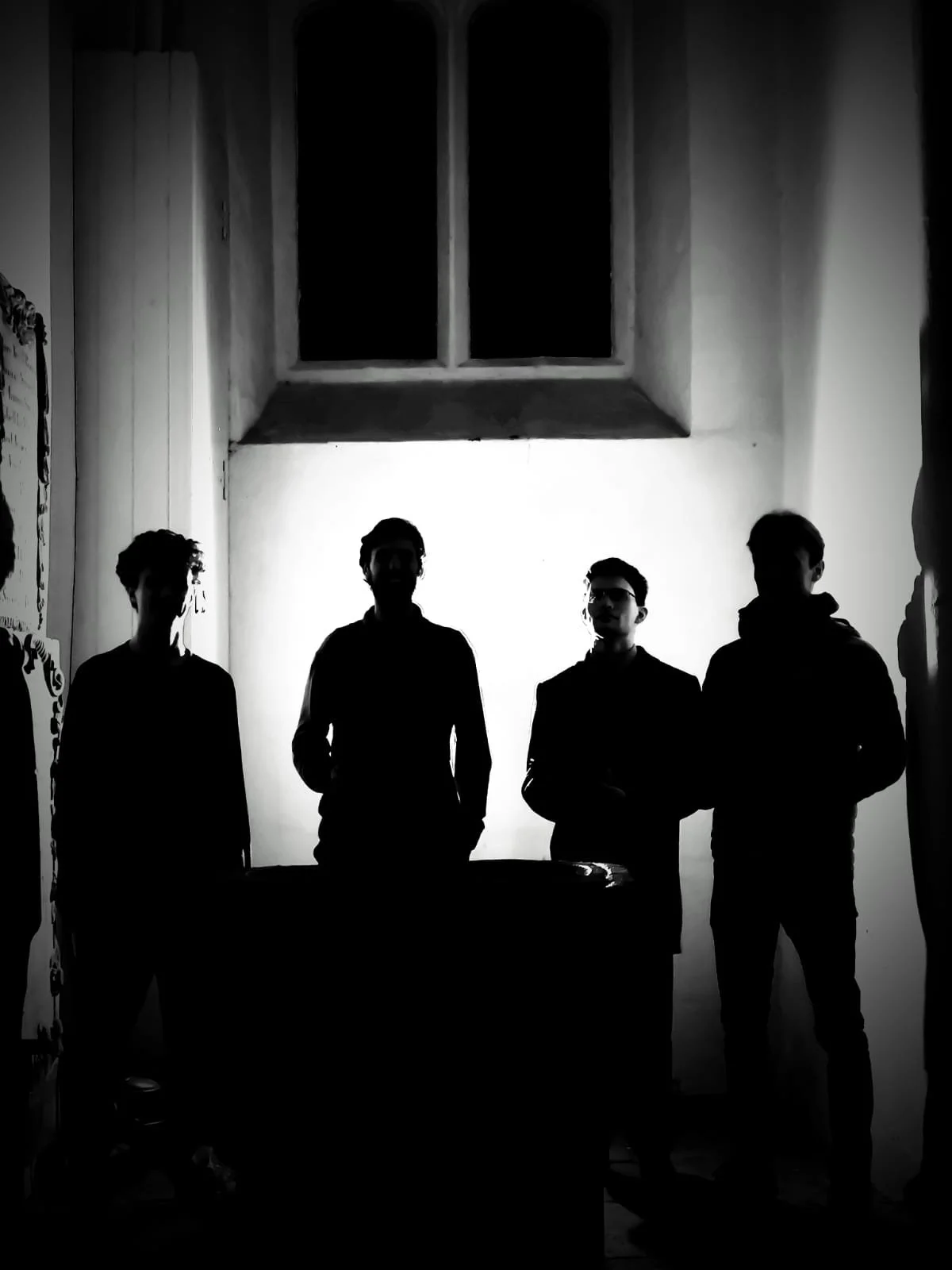
L’Isola [Lee-so-lah] is not a choir; it consists of 4-6 soloists. Consort singing, one to a part, is exposed and technically demanding. We strive not for ‘blend’ but for unity of sound, enriched by individual colour in a “creative democracy” which favours real-time artistic decision-making over predefined rules. The group hope you will experience the difference through sound: raw, organic, unfiltered, immersive
In an academic context, L’Isola functions as a specialist performance arm of the early music research and development lab at the University of Cambridge (Cambridge Early Music Consort) directed by Matthew Gouldstone and Edward Wickham. L’Isola also works in close partnership with CIRS (Cambridge Institute for Renaissance Studies) and the Journal of 16th Century Music in addition to various other arts and education establishments. L’Isola therefore brings to audiences the fruits of Cambridge’s pioneering scholarship on music from the fifteenth and sixteenth centuries, providing a new understanding about the way music was written and performed.
Matthew Gouldstone, Creative Director
“Under the sure guidance of their internationally celebrated director…it was obvious that the performers were in love with what they do”
-Cambridge Independent
Matthew is a singer, director, and consultant on early music performance, specialising in polyphony from Europe pre-1650. His performance work has taken him across the globe since 2005 and will most likely be known under the guise of Capilla Flamenca, where he was employed as permanent bass for numerous years. In addition to this, work as an independent freelance artist with ensembles including the Tallis Scholars,Huelgas Ensemble, Cappella Pratensis, La Grande Chapelle, Cinquecento,Vox Luminis (and most other European vocal ensembles of note) initially formed the cornerstone of his career.
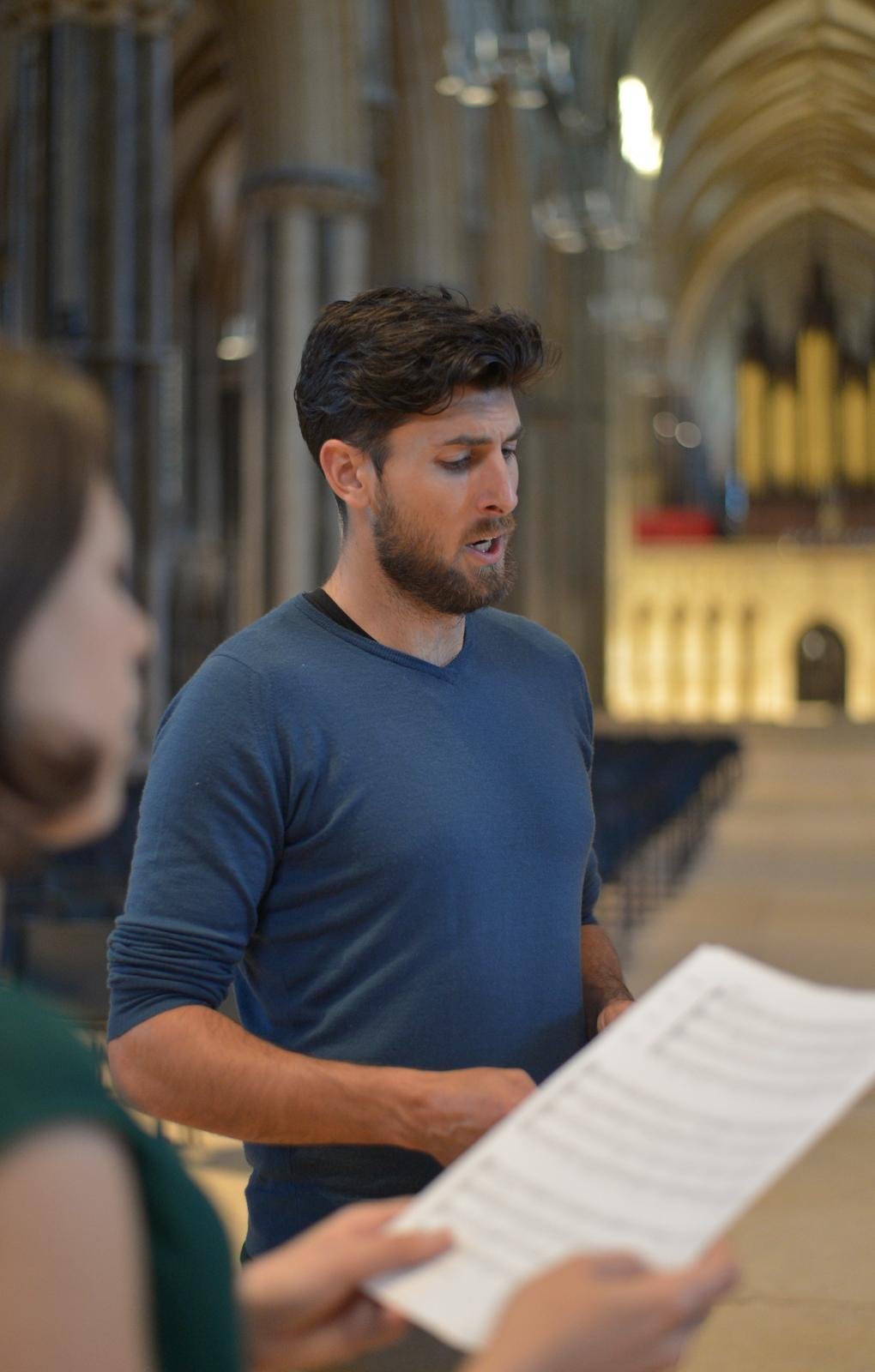
In an academic context, he has previously been a research fellow at Katholiek Universiteit (Leuven, Belgium) and a visiting fellow at Harvard University, as well as directing historical musical events at All Souls College, Oxford. In 2022 Matthew began an affiliation with the University of Cambridge (St Catharine’s College) which continues to this day, and he is now found within the university as a Senior Research Associate at Peterhouse.
His research focuses on two specific elements: Polyphony from England and the Low Countries (c.1450-1500) and the late Italian polyphonic madrigal (c.1550-1600). In a consultancy capacity he has partnered with institutions including University of Florida, Universität Salzburg, Accademia Filarmonica Verona, and the University of Sheffield (amongst others) on specific projects involving the connection between performance and historical musicology.